Polyme is a Windows desktop app that turns text into 3D models — a complete asset factory running on your own NVIDIA GPU. It generates the shape, paints and bakes real PBR textures, cleans and retopologizes the geometry, rigs characters, and exports to every format your engine or printer needs. Nothing leaves your machine, and there's no credit meter running.
Made with Polyme
Unedited exports from the pipeline — textures downscaled for the web.
drag to orbit · scroll to zoom
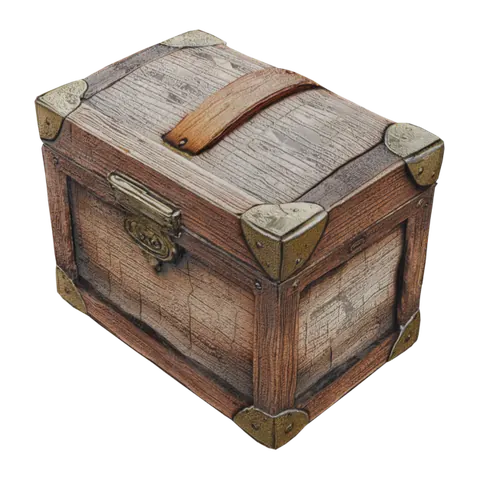
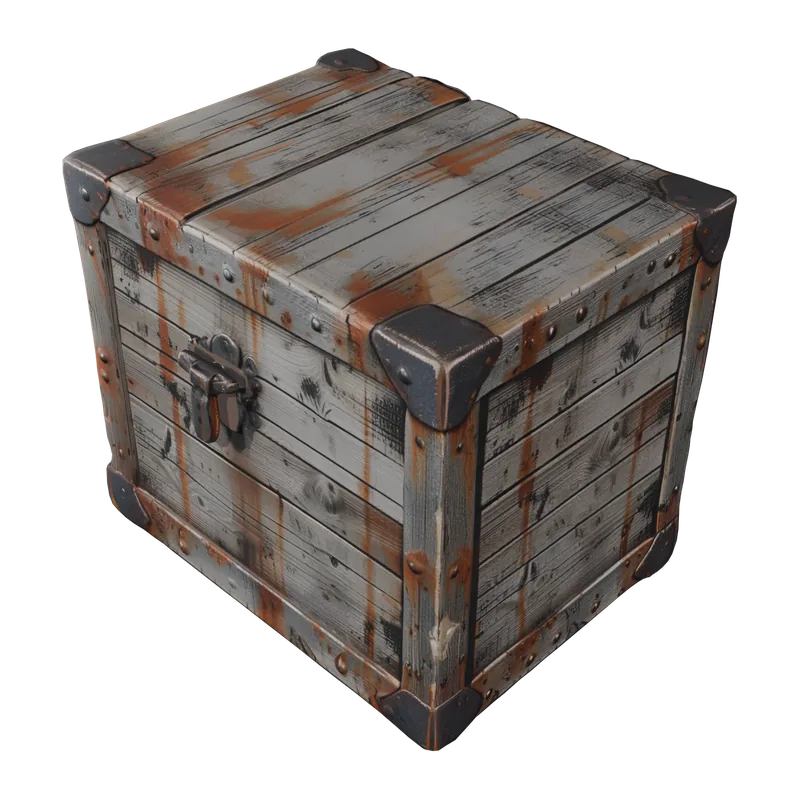
You typed: "weathered wooden dungeon crate with iron corner bands and a hinged lid, low poly game prop"
You got: a game-ready mesh with a full PBR bake, in ~4 minutes.
Single watertight component, 0 non-manifold/degenerate faces, no fragments or slivers — clean engine-ready topology
611 uv_split_components are atlas seams (cosmetic, expected in glTF)
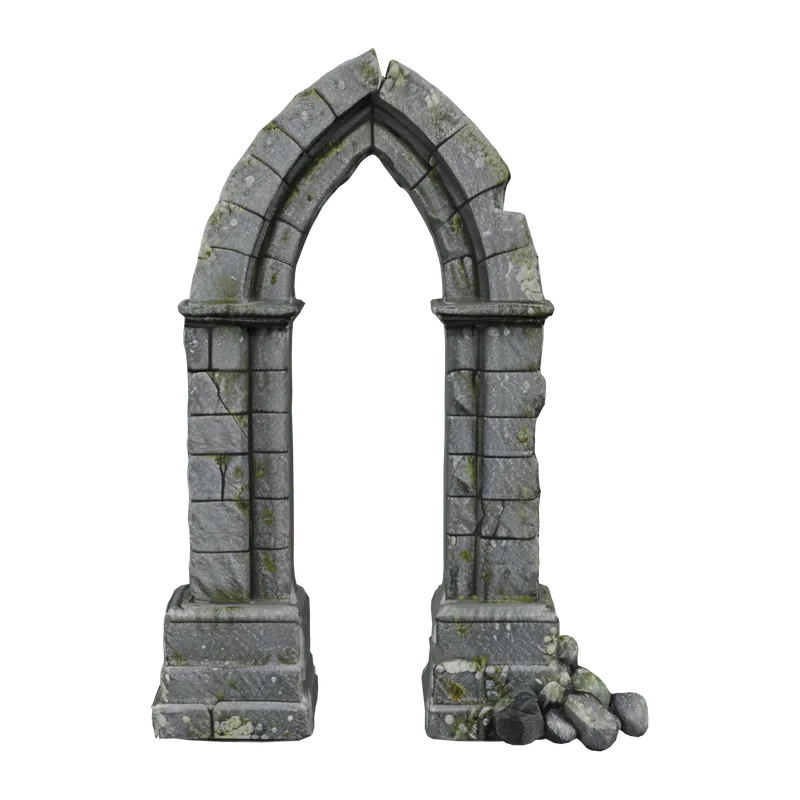
You typed: "ruined gothic stone archway for tabletop terrain, modular, 28mm scale, printable with no overhangs"
You got: a game-ready mesh with a full PBR bake, in ~4 minutes.
Single clean component, 0 floating fragments, 0 sliver shells — no fragmentation
Not strictly watertight (25 boundary edges) — negligible for engines; a 3D-printing/physics caveat only
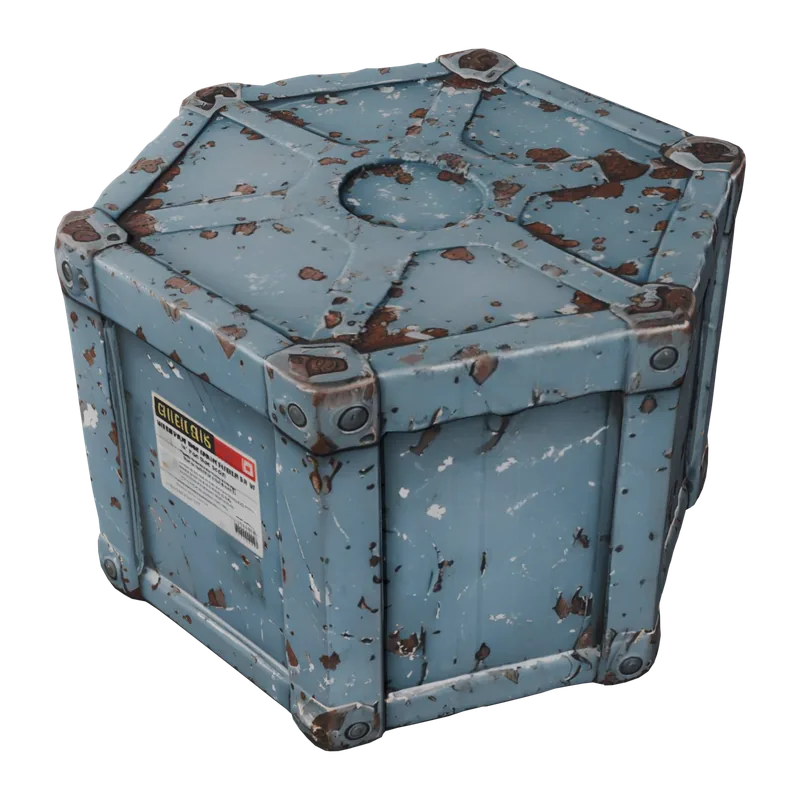
You typed: "a sci-fi supply crate with chipped paint and a shipping label"
You got: a game-ready mesh with a full PBR bake, in ~4 minutes.
Single clean watertight component; 0 non-manifold, 0 degenerate, 0 boundary edges, 0 floating fragments
421 uv_split_components are atlas seams (cosmetic, expected in glTF)
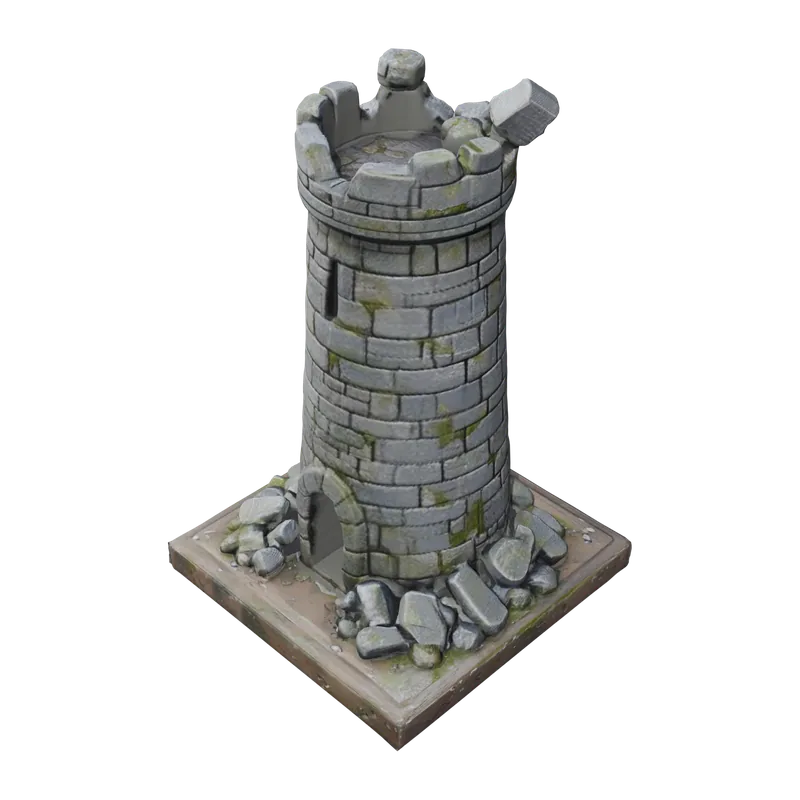
You typed: "crumbling stone watchtower ruin for tabletop terrain, chunky stone blocks, flat solid base, no thin spires"
You got: a game-ready mesh with a full PBR bake, in ~7 minutes.
Single clean component, 0 sliver shells, 0 floating fragments — no fragmentation
Scale mismatch: target 0.18 m but actual 2.0 m (ratio 11.1x) — rescale before print/engine placement
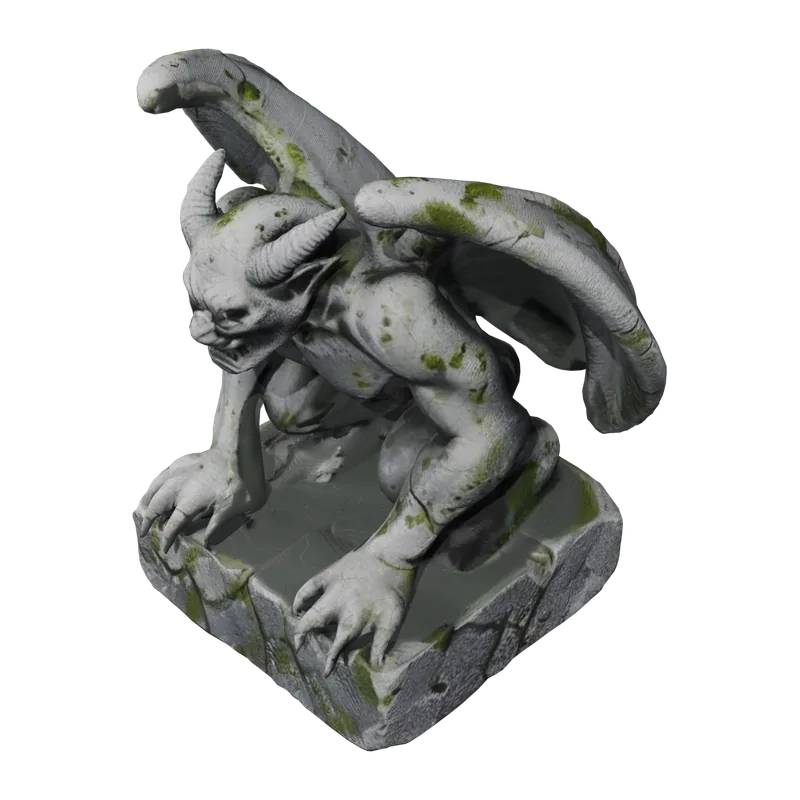
You typed: "weathered stone gargoyle statue crouching on a square plinth, tabletop terrain piece, solid one piece, thick sturdy wings folded against body"
You got: a game-ready mesh with a full PBR bake, in ~8 minutes.
Single watertight component, 0 non-manifold/degenerate faces, 0 floating fragments — clean engine-ready topology
Scale mismatch: actual 2.0 m vs target 0.075 m (26.7x) — asset needs rescaling before use
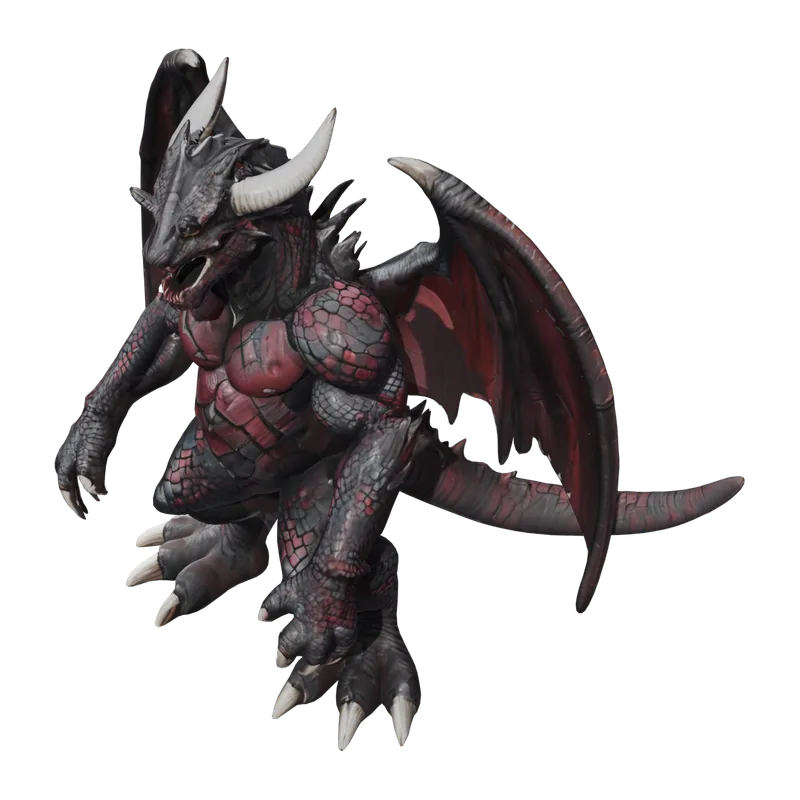
You typed: "dragon boss"
You got: a game-ready mesh with a full PBR bake, in ~5 minutes.
Single clean component: 0 non-manifold, 0 degenerate, 0 sliver shells, 0 floating fragments
Minor open surface (4 boundary edges) — harmless in engines, but not fully watertight for 3D printing
Textures downscaled to 1024² WebP for the web — Polyme's own exports are 2048² PBR.
Hover a still for the prompt that made it.
Why local wins
Cloud AI 3D model generators charge you per model and keep your work on their servers. Polyme exists because that deal is backwards.
Produce at any real volume and per-model pricing piles up fast. On the cloud, even a redo costs the same as the original.
Every prompt, reference image and mesh is uploaded to someone else's server. There is no private mode.
Most tools stop at "here's a mesh." Cleanup, retopo, UVs, baking, rigging and format conversion are still your problem.
Polyme runs the entire pipeline on hardware you already own. Generate all night, redo a texture bake fifty times — it costs you nothing extra but electricity.
How it works
Under the hood it's the same work a technical artist does by hand — automated, inspected, and repeatable on your own machine.
Type a prompt, drop in a reference image, or bring your own mesh. An AI art director turns it into a proper production brief.
Every model in the showcase above started as a single sentence at this step.
briefYour GPU renders up to four reference images. Pick your favorite, and the shape is lifted into 3D and painted.
text → image → 3DThe mesh is cleaned, retopologized into animation-friendly geometry, and a full PBR set is baked from the true high-poly.
retopo · pbr bakeHumanoid characters come back rigged, with real animation clips from the built-in library ready to apply.
auto-rigQA-scored, packaged, and exported to any of eight formats — straight into your engine, printer or AR scene.
8 formatsTimes measured on the development machine; generation scales with your GPU tier.
What you get
Everything between "I have an idea" and "it's in my game" is part of the product.
GLB, FBX, OBJ, BLEND, USDZ, STL, 3MF and 3DS. Game engine, DCC tool, 3D printer or AR — every job ships ready for wherever it's going.
Normal detail is baked from the true high-poly mesh, not faked with a filter. Albedo, normal, roughness, metallic and AO — a full set, every time.
Humanoid characters come back rigged and ready. Apply real animation clips from the built-in library and export a moving character.
Every asset is inspected and scored before it reaches you — geometry, UVs, textures and export validity. No mystery meshes.
Don't like the retopo? Re-run just the retopo. Every one of the 20 pipeline stages can be re-run on its own, as many times as you want.
Cleanup, retopology, UVs and baking run through Blender itself — the same steps a technical artist would do by hand, automated.
The entire model stack is permissively licensed. No territory carve-outs, no fine print between you and your customers.
One guided install downloads everything to your machine. After that, Polyme runs with the network cable unplugged.
See it in action
A full run of the pipeline, start to finish — recorded on a single desktop PC.
The player loads in a moment — or play the recording directly.
Drops straight into Unity, Unreal, Blender and Godot — or hands off to your slicer for 3D printing.
Windows 10/11 · NVIDIA GPU from GTX 1660 / RTX 2060 up to the 5090 · auto-tuned to your VRAM · no GPU? import and process your own meshes
Coming soon
Polyme is in the final stretch before launch — Windows first, on your own GPU, no cloud in sight.